Tennis bag essentials every beginner should pack
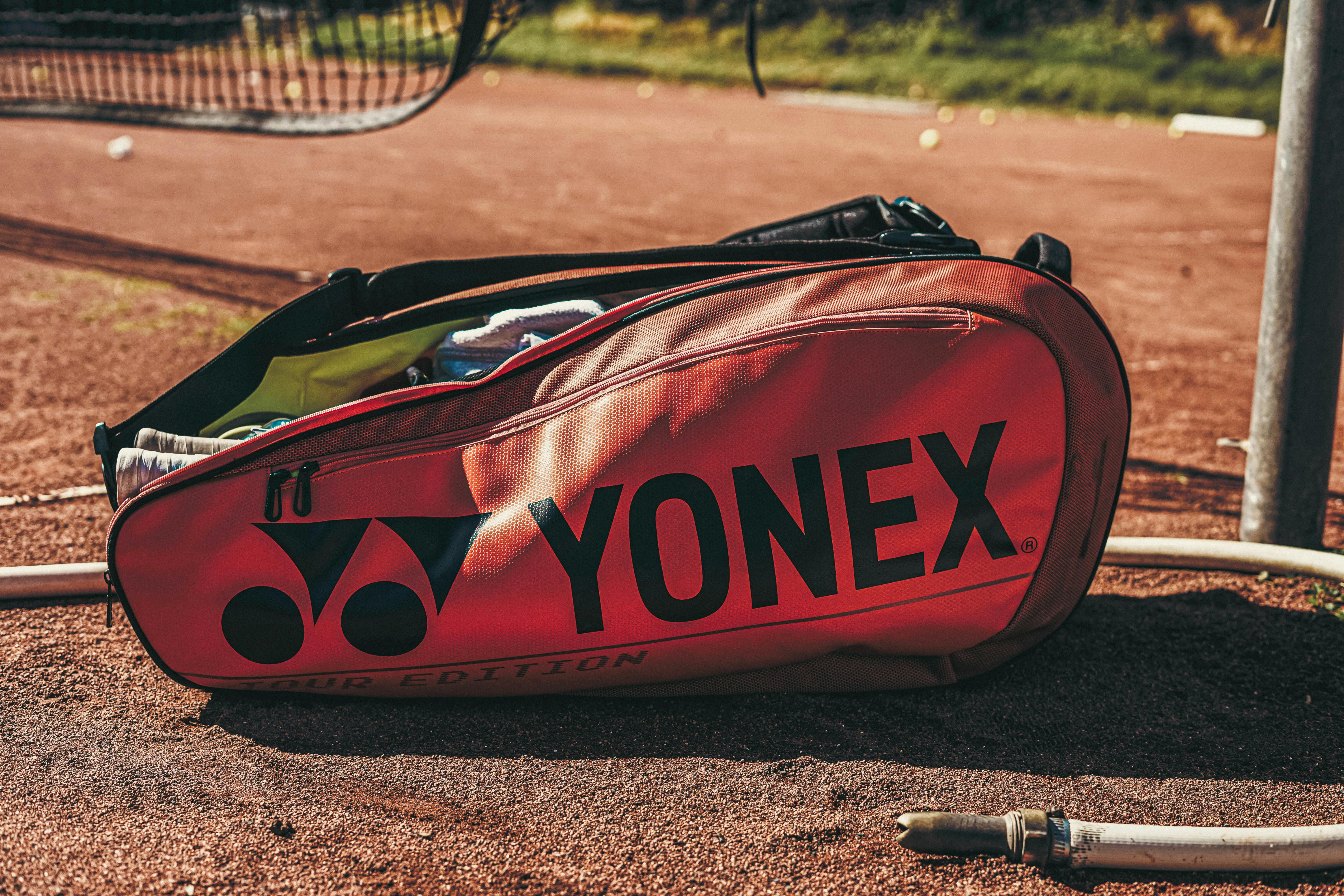
Picture this: you've been looking forward to this practice session all week. You show up at the court, racket in hand, feeling like you're about to have the best hitting session of your life. Then you reach into your bag and realize you forgot your water bottle. Or your towel. Or, in a twist that would make even a seasoned player wince, you didn't bring a spare racket and your strings snap in the warm-up. Getting your tennis bag essentials right is the difference between a session that flows and one that ends in frustration before it really begins.
Many beginners go through this at least once. The good news is it's completely avoidable. A smart, well-packed tennis bag is less about having expensive gear and more about spending five minutes thinking through what you actually need before you walk out the door. This is that five-minute guide, organized by category so you can build your own tennis bag checklist and never show up unprepared again.
Tennis bag essentials: rackets, balls, and grip accessories
Start with the obvious: you need at least two rackets in your bag, even as a beginner. Strings break mid-session often enough that many coaches recommend always carrying a backup, and walking off court because your only racket just went dead is a frustrating way to end a practice. Having a spare means you keep playing. Make sure both are strung and ready to go, ideally at a similar tension, a reasonable preference among players, so the feel doesn't shift too dramatically when you switch.
For balls, bring at least two cans (six balls) to a recreational practice. A single can of three disappears fast once you start hitting groundstrokes and chasing down errant shots. Fresh balls feel noticeably different from worn-out, fuzzy ones: they bounce truer, which actually helps you learn proper timing early on. If you practice frequently, pressureless balls are worth considering since they don't go flat the way pressurized cans do.
Two small racket bag must-haves that beginners often discover late are overgrips and vibration dampeners. Overgrips wrap over your racket handle to absorb sweat and keep your grip from slipping during long rallies. Brands like Wilson Pro, Tourna Grip, and Gamma Supreme are popular starting points. Pack two or three extras so you can swap one out the moment it stops feeling tacky, exact usage will vary depending on how much you sweat and how often you play. Dampeners are optional, but many players like the way they soften the feel on off-center hits and reduce some transmitted vibration. They cost almost nothing and take up zero space. For a broader list of recommended items to keep in your tennis bag, see this practical checklist from a tennis gear guide.
Hydration and fuel, tennis bag essentials for long sessions
Bring a large water bottle with enough fluid for your anticipated session length and conditions. Plain water handles most casual sessions just fine, but once you're playing for more than 45 minutes, especially in warm weather, you start losing electrolytes through sweat that water alone won't replace. Single-serve electrolyte packets are a practical fix, toss a couple into your bag's outer pocket and mix one into your bottle when a session is running long or the sun is punishing. Follow the packet instructions for dosing, since electrolyte needs vary by sweat rate and product concentration.
Snacks and match-day fuel
For snacks, keep it simple. Bananas are the classic tennis snack for good reason: they're portable, provide quick carbohydrates, and the potassium supports muscle function during longer points. Pretzels, rice cakes, and light energy bars are reliable options too. If you're playing in heat, sodium-rich snacks like pretzels help your body hold on to fluid during longer sessions. Skip anything heavy or greasy that might slow you down mid-rally.
Comfort essentials most beginners forget
A towel is non-negotiable. You'll use it to dry your face and hands between points, which directly affects your grip and focus. Pack one that's absorbent but not enormous, something you can stuff into a side pocket and pull out without unpacking your whole bag.
Wristbands help manage sweat during longer rallies, and an extra pair of socks is one of those items you'll thank yourself for packing the first time you feel that familiar dampness mid-session. Wet socks increase blister risk significantly, and blisters end sessions early. One spare pair doesn't weigh much and solves the problem entirely.
For outdoor courts, sunscreen with SPF 50 or higher is worth treating as mandatory gear, not optional. Go for a sweat-resistant, broad-spectrum formula and apply it 15, 30 minutes before stepping outside. A cap or visor and a pair of sunglasses round out your sun protection. Also throw in a light jacket or spare shirt, especially for morning or evening sessions. Temperature shifts fast when the sun drops or the wind picks up, and having an extra layer costs you nothing in terms of bag space. For specific sun-care advice tailored to tennis players, this sun protection guide is a useful resource.
A simple first-aid kit for the court
You don't need a pharmacy in your bag. A compact pouch with adhesive bandages, blister pads, athletic tape, antiseptic wipes, and a small tube of antibiotic ointment handles the most common court scrapes and hotspots, and fits easily into a small zippered pocket. If you'd like a deeper look at what belongs in a sporting-field first aid kit, this comprehensive guide offers good recommendations for sports-specific kits.
Add ibuprofen or paracetamol for muscle soreness and one instant ice pack for unexpected sprains or rolled ankles. These items are light and you'll rarely touch them, but on the day something does go wrong, they're exactly what you need to manage the situation until you can get proper care. Following the basic PRICE approach, protection, rest, ice, compression, elevation, with the right supplies already in your bag means a minor sprain doesn't have to spiral into a worse situation.
How to pack your bag so everything has a place
The goal of a good packing system isn't organization for its own sake, it's about not having to think during a changeover. Rackets go in the main padded compartment. Tennis balls belong in a mesh pocket or outer section where they won't get compressed by heavier items. Wet or dirty gear, used socks and court shoes especially, go into a ventilated pocket, isolated from your dry clothes, snacks, and grip accessories. Keep your small, frequently accessed items, overgrips, dampeners, electrolyte packets, in a dedicated inner pocket so you can grab them without unpacking everything. Your sunscreen, snacks, and wallet belong in a top or outer pocket for fast retrieval during breaks. For more detailed tips on packing efficiently, this guide on how to pack your tennis bag like a pro has practical suggestions.
A quick end-of-session reset is what keeps the whole system working. Pull out anything damp, restock your overgrips and snacks, and do a quick scan of the bag. After two or three times doing this, it becomes automatic. Your bag stays match-ready, and you never have to do a full pack job the morning of a session again.
You're more prepared than you think
Packing a solid tennis bag doesn't require spending a lot or building an elaborate system. It just takes a little intention. The players who walk onto court feeling calm and confident are usually the ones who spent five minutes the night before making sure everything they need is already packed and ready.
Use this tennis bag checklist as your starting point, then adjust it over time as you figure out what matters most to your game. Maybe you sweat a lot and go through overgrips faster than average. Maybe you play early mornings and that spare jacket becomes essential every single session. Your bag will evolve as your game does.
When you're ready to dig into specific product recommendations for any of these tennis bag essentials, TennisCore Blog's gear reviews cover rackets, strings, shoes, and accessories with honest takes aimed at players who are just getting started. For now, pack the basics, get on court, and enjoy the session.