What to Wear for Tennis: Your Complete Court Style Guide
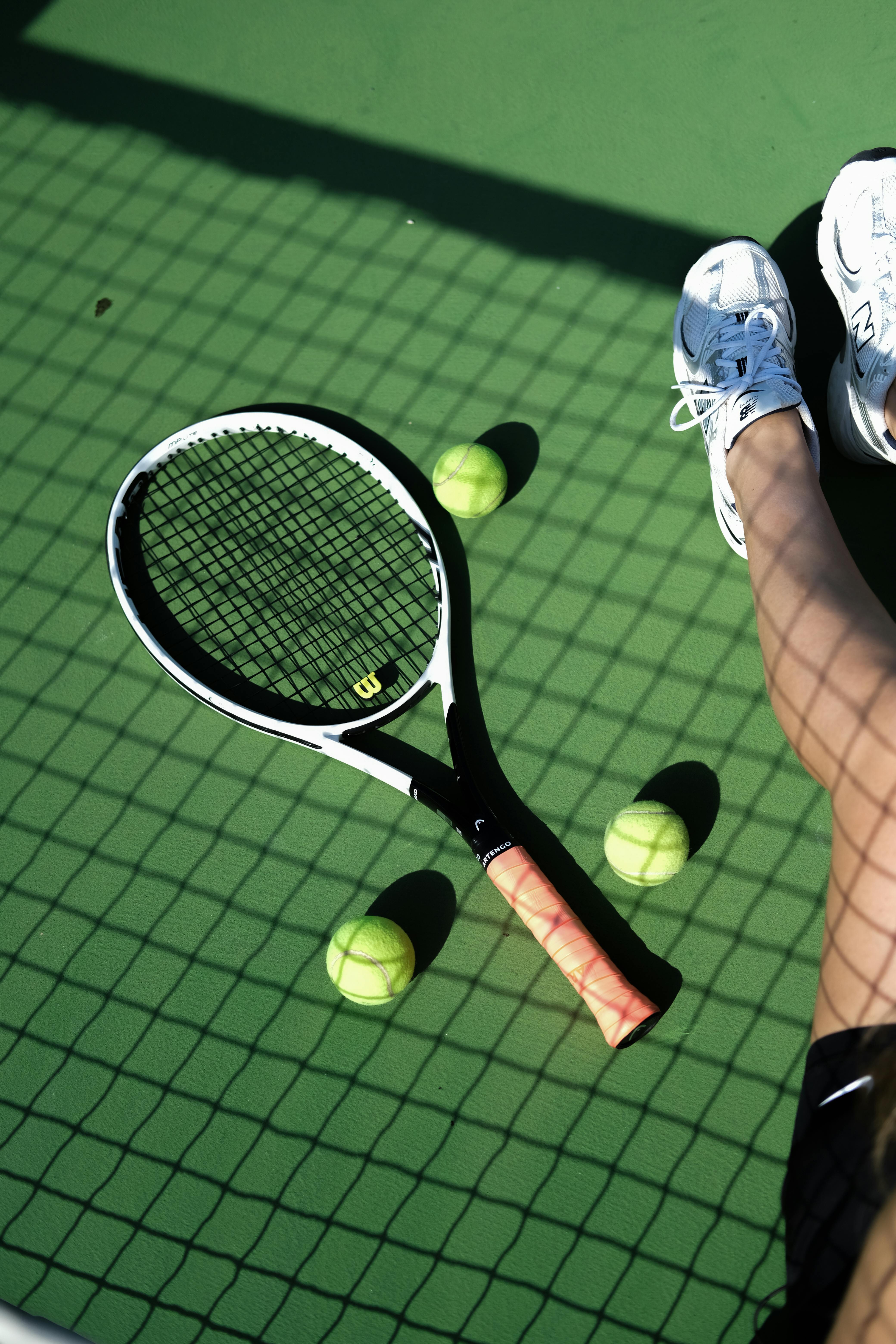
Tennis takes its dress code more seriously than almost any other sport. Andre Agassi showed up to the US Open in denim shorts. Serena Williams wore a black Nike catsuit at Roland Garros. And Wimbledon has been enforcing its all-white dress code since 1877. If you're wondering what to wear for tennis, you're already asking the right question, because what's on your body genuinely affects how you move, how long you last on court, and whether you're even allowed through the gate at some venues.
Here's the thing, though. Choosing the right tennis outfit isn't about fashion rules or keeping up appearances. The right fabric keeps you cool. The right shoes protect your ankles. The right layers keep you warm during a cold morning hit without suffocating you by the third set. This guide covers all of it, from fabric basics and footwear to occasion-specific attire, weather layering, and club dress codes, so you walk onto court feeling ready.
What to Wear for Tennis: Start With the Right Fabric
Before you pick a color or a style, look at the label. The fabric your tennis clothes are made from determines whether you finish a match feeling light and dry or heavy and drenched.
Cotton is the wrong choice, even though it's comfortable off court. Cotton absorbs sweat and holds onto it, so as a match progresses, your shirt gets heavier and clingier. In a sport where you're sprinting, changing direction, and serving overhead, that restriction adds up fast. Polyester and nylon are the real workhorses of tennis apparel. They pull moisture away from your skin, dry quickly, and stay lightweight even through extended play, a quality backed by consistent comparisons between synthetic and natural fabrics in athletic performance contexts.
The sweet spot for most players is a blended fabric: polyester-spandex or nylon-spandex combinations. You get the moisture management of synthetics plus the stretch needed for lunging volleys and wide groundstrokes. Brands like Nike (Dri-FIT), Adidas (AeroReady), and Wilson all build their performance lines around these fabric technologies, using engineered weaves specifically designed to move sweat off the skin and accelerate evaporation.
Look for an athletic cut that moves with you without clinging when wet. Mesh panels and ventilation zones are worth seeking out, especially for hot-weather play. For women, skorts and tennis dresses built from these performance fabrics offer a tennis-specific silhouette without sacrificing any range of motion. This is the core of any smart tennis clothing guide: fabric first, style second.
Court Shoes Matter More Than Anything Else You'll Buy
If there's one place not to cut corners, it's your footwear. Tennis asks your feet to do something running shoes were never designed for: constant lateral movement, quick stops, and sudden direction changes. Running shoes vs. tennis shoes is a common comparison for a reason, running shoes are built for forward motion, full stop. They lack the side-wall support that keeps your ankle stable when you lunge wide for a backhand. Wearing them on a tennis court isn't just a performance issue, it's a genuine injury risk.
There's also the court compliance factor. Most clubs and indoor facilities prohibit shoes with marking soles, dark rubber that scuffs and stains the court surface. According to USTA facility guidelines and standard club policies, non-marking soles are a requirement, not a preference. The quick test: rub the sole on a sheet of white paper. No marks means you're good to go.
What to Look for in Tennis Shoes
When shopping for proper tennis shoes, three features matter most. Lateral support comes first: look for TPU overlays, reinforced side walls, and a wide stable base that keeps your foot planted during direction changes. Cushioning is second, specifically in the midsole, to absorb the repeated impact of hard court play; footwear reviewers and podiatrists commonly reference a midsole stack in the 29, 33mm range as a reliable benchmark for court shoes. Finally, that non-marking sole in soft, flat rubber. Get these right and your footwear will serve you well regardless of which brand you choose.
Dressing for the Occasion: Practice, Matches, and Tournaments
What to wear for tennis shifts depending on the context. Practice gives you the most freedom: tank tops, breathable leggings, athletic shorts, or a comfortable skort all work well. The only real goal here is ease of movement and staying cool, so prioritize comfort over aesthetics.
Casual club matches call for a small step up. A fitted athletic top, proper tennis shorts or a skort, and clean footwear hit the right note without overthinking anything. You don't need to coordinate colors; you just want to look like you came prepared to play.
Organized league play and amateur tournaments operate by a different standard. For men, most clubs and USTA-aligned events expect collared or sleeved shirts. Gym shorts, denim-style shorts, and graphic tees are generally off the table. For women, skirts, skorts, and tennis dresses in performance fabrics are both appropriate and widely accepted across all levels. Some higher-level events, and particularly older private clubs, enforce color restrictions, including white-dominant dress codes on weekends. It takes two minutes to check the specific rules before your first visit, and it saves an awkward conversation at the gate.
Layering Smart for Cool and Unpredictable Weather
A lot of beginners skip the layering conversation entirely and pay for it during winter morning sessions. The fix is simple: build your outfit in layers and peel them off as you warm up.
Start with a moisture-wicking base layer: a long-sleeve athletic shirt or thermal tights underneath your shorts or skort. Merino wool and synthetic thermal blends both work well here because they regulate temperature without adding bulk. Add a lightweight mid-layer, a fleece pullover or a half-zip tennis jacket, that traps warmth during your warm-up and comes off easily once you're moving.
For the outer layer on rainy or windy days, look for a water-resistant or windproof jacket with ventilation features like mesh lining or zip vents. A jacket that keeps rain out while trapping body heat defeats its own purpose, you'll end up just as drenched. Round out your cold-weather kit with a fitted hat or headband to retain warmth, thin athletic gloves for grip on the racket handle, and breathable track pants over your shorts or leggings. Tennis-specific layering pieces move with you far better than street clothes, so the investment is worth it if you play year-round.
Club Dress Codes and a Quick Pre-Court Checklist
Dress codes can feel like a gatekeeping ritual, but the actual rules are simpler than they seem. Across most clubs and USTA-aligned events, the common threads are: shirts at all times (collared or sleeved for men at many venues), tennis-specific footwear with non-marking soles, and no swimwear, denim, or gym shorts. Private clubs sometimes add stricter color policies, especially white-dominant requirements on weekends, so checking before your first visit is always the smarter move.
Before you head out the door, run through this quick list:
Moisture-wicking top and bottoms in an athletic cut
Tennis shoes with non-marking soles
Weather-appropriate layer (jacket, base layer, or both)
Cap or visor for sun protection or warmth
Wristbands if you tend to run warm during play
If you want to go deeper on specific gear, TennisCore Blog's equipment reviews and culture pieces dig into individual products and court-side details that a general tennis clothing guide can only scratch the surface of.
Now You Know What to Wear for Tennis, Go Play
Getting dressed for tennis doesn't need to be stressful or expensive. Once the basics click, breathable fabric, shoes built for the court, and an outfit that fits the occasion, the rest is personal style. You don't need a celebrity's wardrobe to feel at home on court.
Think of your tennis outfit as gear, not costume. It helps you move freely, stay comfortable through long points, and show respect for the game's culture. Now that you know what to wear for tennis, get out there and enjoy it.