Clay Court Culture: Red Dust, Rituals, and Baseline Battles
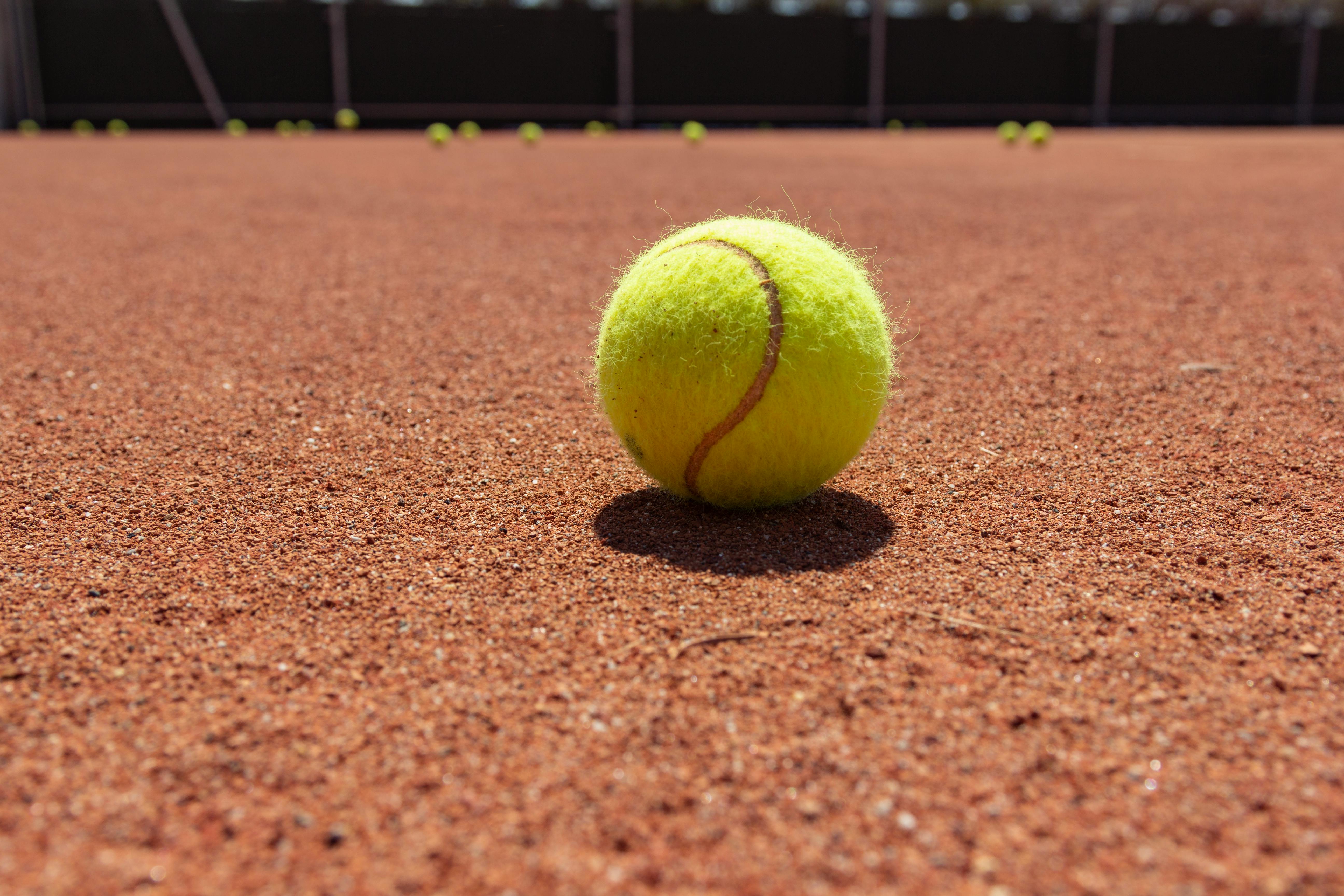
There's a moment every tennis player remembers. You walk onto a clay court for the first time, and something shifts. The surface crunches differently underfoot. The soles of your shoes turn a deep rust-red within minutes. The ball lands and rises higher than you expect, hanging in the air just a beat longer than you're used to. That moment is your introduction to something bigger than a surface, it's your first encounter with clay court culture, a world with its own history, its own rhythms, and its own unwritten code.
This piece is for anyone who wants to understand that world fully. Not just the tactics, but the story behind why red clay produces a different kind of tennis, a different kind of player, and honestly, a different kind of fan. At TennisCore Blog, this is exactly the territory we love exploring: the lore and lifestyle underneath the scorelines.
Where It All Began: The Origins of Clay Court Culture
The most romantic version of clay's origin goes something like this: two English brothers, the Renshaws, dominating the late Victorian tennis scene, ground up discarded pottery from the village of Vallauris near Cannes to create a durable surface that could survive the Mediterranean summer heat. The result was the first clay court, a compelling story, but not the only one. Tennis writer and critic Rowan Ricardo Phillips found evidence of a competing version. Georges Henri Gougoltz, a debt-burdened hotelier at the Hôtel Beau-Site in Cannes, may have laid clay courts in the early 1880s simply because they were cheap to maintain and didn't need constant watering. His courts may have existed before the Renshaws were documented as guests at the hotel.
Nobody has fully settled the debate, and that ambiguity is part of what makes the origin story fascinating. What both versions agree on is that clay was a solution born from necessity, a Mediterranean climate that made grass courts impossible to sustain through summer. That practical origin shaped an entire playing culture. Spain and Italy built their game almost exclusively on clay until the 1980s. South America embraced it for the same climatic reasons. North America went a different direction, building hard court and grass traditions instead. The split created two distinct tennis worldviews, and that divide still echoes in how players from different regions approach the game today.
Life on Red Clay: Rituals, Atmosphere, and Belonging
Clay court culture is the only context in tennis where players visibly interact with the court itself during a match. Watch closely and you'll see them wipe the baseline with a shoe before serving, crouch to brush a ball mark, and challenge a line call by reading the impression left in the dirt. These habits aren't superstition exactly, they're part of a tradition passed down through generations of players who grew up on terre battue. The pre-point routines feel slower and more deliberate on clay too, as if the surface asks you to breathe before you compete.
The Club Scene and Crowd Intelligence
The European club scene amplifies all of this. A row of ochre courts at a Spanish or French club on a warm afternoon carries a specific atmosphere: the thwack of heavy topspin shots, the sound of shoes skidding on loose grit, a coach feeding balls from a basket to a junior player drilling the same crosscourt forehand again and again. The Roland-Garros crowd understands long baseline rallies the way a football crowd understands a defensive masterclass, not as a sign that nothing is happening, but as craft being practiced at the highest level. This clay court culture rewards patience, and its community recognizes that quality when they see it.
Why Clay Changes Everything About How the Game Is Played
Red clay is made from crushed brick. That composition creates high friction, which slows the ball, raises the bounce to chest and shoulder height, and extends rallies well beyond what you'd see on any other surface. Serve effectiveness drops sharply. Ace percentage falls because the surface absorbs pace and gives returners extra reaction time, time that simply doesn't exist on grass. On clay, roughly 60% of first serves come back over the net, compared to around 70% on grass, a significant shift in the balance of power that forces servers to construct points differently.
Clay Court Tactics: Topspin, Patience, and Point Construction
What fills those longer exchanges is topspin. Heavy topspin groundstrokes thrive on clay because the high bounce pushes opponents further behind the baseline and disrupts their timing in ways that flat, power-heavy shots simply can't replicate. Clay court tactics shift entirely toward consistency and patience, outlasting the opponent rather than blasting winners past them. Rafael Nadal's 14 Roland-Garros titles were built on exactly this principle: relentless baseline dominance, heavy spin, and the physical and mental endurance to outgrind anyone across five sets on red clay.
Moving Like a Clay Court Player: Sliding, Footwork, and Fitness
Sliding on clay isn't a happy accident. It's a core technical skill, and beginners who try to fight the surface rather than work with it will lose that battle every time. The basic mechanics involve keeping a low center of gravity, using shuffle steps to approach the ball, and committing to the slide rather than planting. Sliding into a wide ball lets you reach it safely and maintain balance on a slippery surface. You lead with the outside foot, distribute your weight slightly back, and hit the shot as the slide carries you through the contact zone, recovering faster than if you'd lunged or stopped short.
Clay Court Training: Building the Fitness to Last
The conditioning demands on clay are real. Points are longer, which means matches drain more energy, and the "heavy legs" feeling after a clay session is something every player who's switched from hard courts knows immediately. Clay court training means building anaerobic intervals of four to ten seconds followed by active recovery back to center, mimicking the actual rhythm of clay court points.
Pros like Marcos Giron use systematic daily drills during clay season to build this specific kind of match fitness without burning out early in the schedule. For beginners, the starting point is simpler: practice shadow slides on court without a ball, then progress to hitting while sliding from a ball machine or partner feed.
What Clay Leaves Behind
Clay court culture asks something from you that fast surfaces don't. It asks for patience when pace would feel easier. It rewards craft when power would feel safer. It has its own sounds, its own smell after rain, its own rituals, and its own community. Once you've spent real time on a red clay court, the game looks different everywhere else, hard courts feel fast and unforgiving, grass feels almost chaotic, and you find yourself missing the way clay gives you just enough time to think.
Whether you're watching your first Roland-Garros match or stepping onto clay for the first time with red dust already coating your shoes, this surface has a way of making you fall in love with a slower, more deliberate version of the game. If you want to keep exploring clay court culture, from the origin debates to the sliding mechanics to the players who made red clay iconic, TennisCore Blog is here for that deep dive, and if you want to dig into specifics like scoring nuances, our piece on how scoring in tennis doubles works is a good next read.