Clay court tournaments 2026: the complete season guide
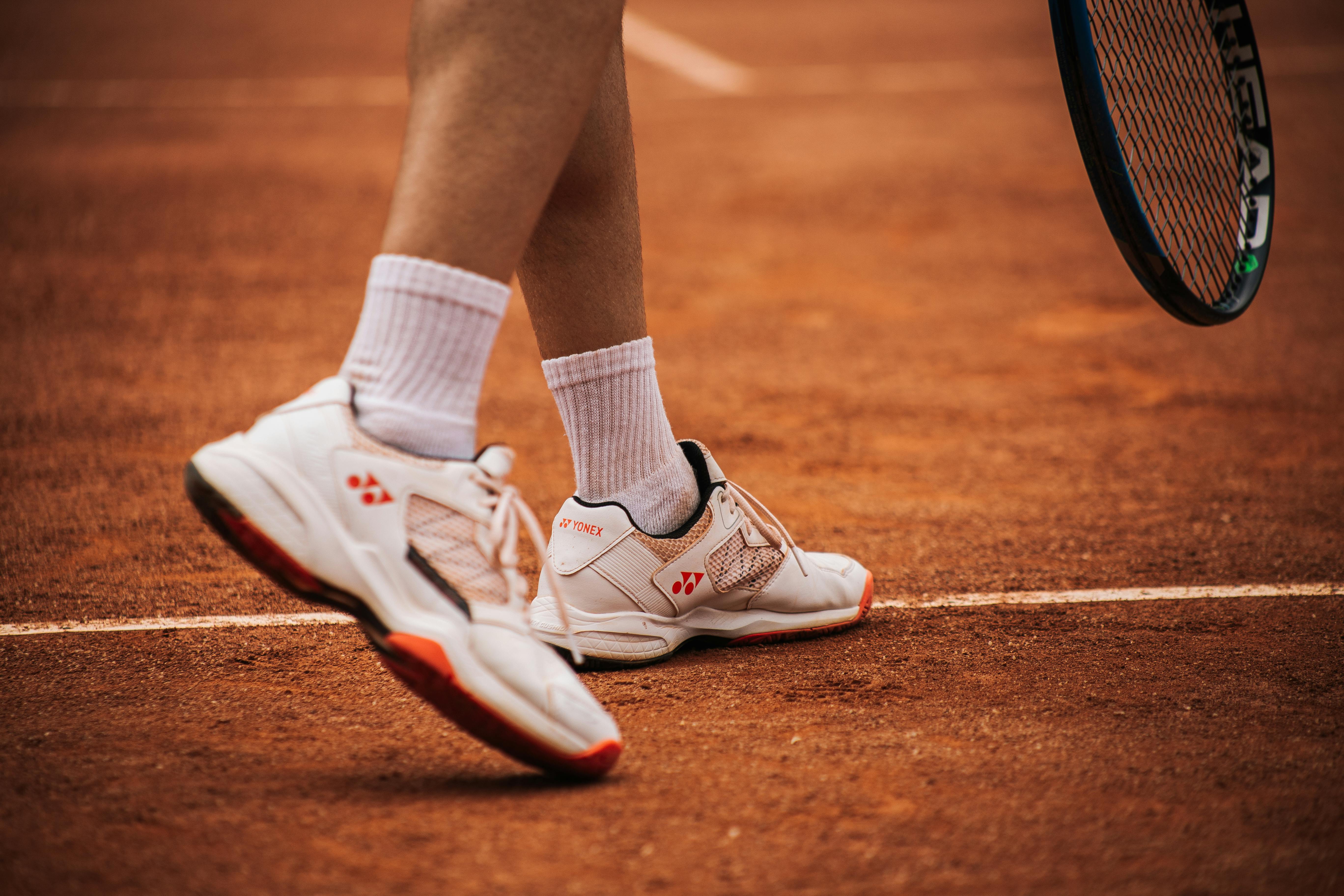
There's a moment every spring when tennis shifts into the clay court tournaments season. The courts turn orange, the rallies stretch long past the point where you'd expect someone to miss, and the whole sport seems to breathe differently. Once you've felt it, you understand why so many fans consider this the most compelling stretch of the tennis calendar.
Whether you're watching clay court tournaments for the first time or coming back after years away, it helps to have someone walk you through the calendar before the first ball is struck. That's what TennisCore Blog is here for: breaking down the schedule, the surfaces, the storylines, and the players so you can enjoy every match with real context.
This guide covers everything you need for the 2026 season, every major clay court tournament on both tours, the difference between red and green clay, the legends who made this surface iconic, and exactly where to watch or buy tickets.
What makes the clay season feel unlike anything else in tennis
The slow-burn magic of a red clay court
Red clay does something no other surface does: it slows the ball down and pushes the bounce higher, turning every point into a chess match played at full sprint. A serve that's an ace on a hard court becomes a manageable return on clay. A winner that would end the point on grass gets tracked down, redirected, and turned back with interest. Picture a Roland Garros baseline rally running 30 shots, both players working angles and spins until one small error tips the balance. That's clay tennis at its core.
For newer fans, this changes what to watch for. It's less about power and more about endurance, footwork, and tactical patience. The best clay players don't just hit harder, they construct points like architects building something that takes a while to see fully.
Why clay produces the sport's most intense rivalries
Because big serves get neutralized and defense gets rewarded, clay tends to close the gap between elite players. That creates longer, more evenly contested matches and, over time, the kind of sustained rivalries that fans remember for decades. The surface rewards players who stay calm under pressure across three, four, or five sets. It's no coincidence that clay season has historically delivered some of the sport's most dramatic finals, think Nadal vs. Federer at Roland Garros 2008, or Evert vs. Navratilova across five Paris meetings, which makes following the full swing so worthwhile.
Clay court tournaments to watch in 2026: the full calendar
The 2026 clay swing runs from late March through early June, building steadily toward Roland Garros as its unmistakable peak. Here's your at-a-glance planner for both tours. For the full official schedule, see the 2026 ATP clay season calendar.
The ATP clay swing: from Houston to Paris
The men's clay season opens with three ATP 250 events in the same week: Houston (March 30, USA), Marrakech (March 29, Morocco), and Bucharest (March 30, Romania). From there, the scale builds quickly:
Monte-Carlo (April 5, 12, ATP Masters 1000), the clay season's first big statement, set against the Mediterranean coast and carrying a prestige few tournaments can match.
Barcelona (April 13, 19, ATP 500), beloved for its electric atmosphere and packed stands.
Madrid (April 21, May 3, ATP Masters 1000), played at altitude, which genuinely changes how the ball travels and tests every player's adaptability.
Rome (May 5, 17, ATP Masters 1000), open-air drama in one of sport's great settings.
Roland Garros (May 24, June 7), the Grand Slam that defines the entire swing.
Winners at each Masters 1000 event earn 1,000 ranking points. At Monte-Carlo alone, the total prize purse reaches €6.3 million, with the singles champion taking home €974,370. Madrid's purse climbs to €8.2 million.
The WTA clay calendar: from Charleston to Roland Garros
The women's draw opens in Charleston (March 30, WTA 500), which serves as the signature clay opener for the WTA and plays on green Har-Tru rather than red clay. Stuttgart follows (April 13, 19, WTA 500) with the Porsche Tennis Grand Prix. Both Madrid and Rome run concurrent WTA and ATP draws at their Masters 1000 events. Strasbourg (May 17, 23, WTA 500) provides a final tune-up before Roland Garros closes the swing. Charleston's $2.5 million prize fund is a record for a standalone WTA 500 event, a clear signal of how seriously the tour treats this opener.
Red clay vs. green clay: does the surface really change things?
How each surface shapes the match
Red clay is made from crushed brick. It's slow, produces a high bounce, and rewards players who generate heavy topspin and grind from the baseline. A defensive specialist who retrieves every ball tends to thrive here. Green Har-Tru, made from crushed metabasalt, plays noticeably faster with better drainage, which is why it's popular across North America's humid spring circuit. A harder-hitting player who struggles with the extended grind of European red clay can find more success on Har-Tru because the surface doesn't punish pace the same way.
If you want a concise primer on the broader 2026 clay court season and what to expect, the LTA's essential guide is a helpful supplementary read.
Which 2026 clay court tournaments use which surface
Red clay: Roland Garros, Monte-Carlo, Barcelona, Madrid, Rome, Stuttgart, and Strasbourg. Green Har-Tru: Charleston (WTA 500) and Houston (ATP 250, which uses a maroon Har-Tru variant).
If you watch Charleston and then flip over to a European clay event the same week, the difference in pace and style of play is immediately obvious. That contrast is part of what makes following the full clay swing so interesting.
The legends and rising stars who define clay court tennis
All-time icons of the surface
Rafael Nadal won 14 Roland Garros titles and put together an 81-match winning streak on clay that spanned years. Chris Evert's 125 consecutive clay match wins between 1973 and 1979 surpasses even Nadal's streak and remains one of the most extraordinary runs on any surface in tennis history. Björn Borg brought a quiet, relentless brilliance to clay that made him nearly unbeatable in Paris. Monica Seles redefined women's clay tennis in the early 1990s with two-handed groundstrokes on both forehand and backhand that nobody had seen before. These players didn't just win on clay, they made the surface their identity, and knowing their stories makes every long rally in 2026 feel richer.
Players shaping the 2026 clay court tournaments
On the men's side, Tommy Paul won the 2026 Houston title, defeating Roman Andres Burruchaga in the final. Ben Shelton (World No. 8) arrives in Europe with two clay titles and real momentum. Frances Tiafoe has reached four straight Houston finals, a run that marks him as the most reliable American on clay over the last two seasons. Learner Tien (World No. 27, coached by Michael Chang) is the emerging American name worth tracking across the European swing. On the WTA side, the draw heading into Roland Garros remains genuinely wide open, which makes every lead-up result matter.
How to watch and buy tickets for clay events this season
Where to stream every tournament
For ATP events from Monte-Carlo through Rome, Tennis TV and the ATP Tour app are your go-to platforms. In the US, Tennis Channel carries both ATP and WTA coverage year-round, including Charleston and the European swing. WTA-specific coverage lives on the WTA app and Tennis Channel. For Roland Garros, head directly to rolandgarros.com, which hosts live coverage, scores, and video on the official site. Outside the US, beIN Sports covers the Middle East and North Africa, Eurosport handles select European markets, and Sky Sports covers the UK and Ireland.
Buying tickets for the big clay events
Roland Garros tickets operate through a phased system: a lottery ran in December 2025, with priority windows in February and March 2026 for winners, followed by first-come, first-served general sales starting March 31 for Opening Week and outside courts. All tickets are digital only, stored in the official Roland-Garros app. For other clay court tournaments, go directly to the official sites:
Monte-Carlo: montecarlotennismasters.com
Madrid: mutuamadridopen.com
Rome: internazionalibnlditalia.com
Charleston: creditonecharlestonopen.com
Houston: usclaycourts.com
Check each site early. Availability shifts quickly, especially for Madrid and Rome, and Roland Garros resale windows open in April and May for last-minute options through the official platform.
The clay season rewards patience, and so does following it
There's a pace to the clay swing that mirrors the surface itself. Each tournament adds context to the next. A player who struggles in Monte-Carlo might find their footing in Barcelona. A title run in Rome tells you something real about Roland Garros readiness. Following the full calendar of clay court tournaments, rather than just the Grand Slam finale, is how you actually understand the sport on this surface.
Come back to TennisCore Blog throughout the season for player breakdowns, tennis bag essentials suited to clay, and deeper reads on the history of tennis scoring on what you're watching as the swing unfolds. Mark those first match dates now, Charleston on March 30, Houston that same week, and settle in. The clay court tournaments season is just getting started.